
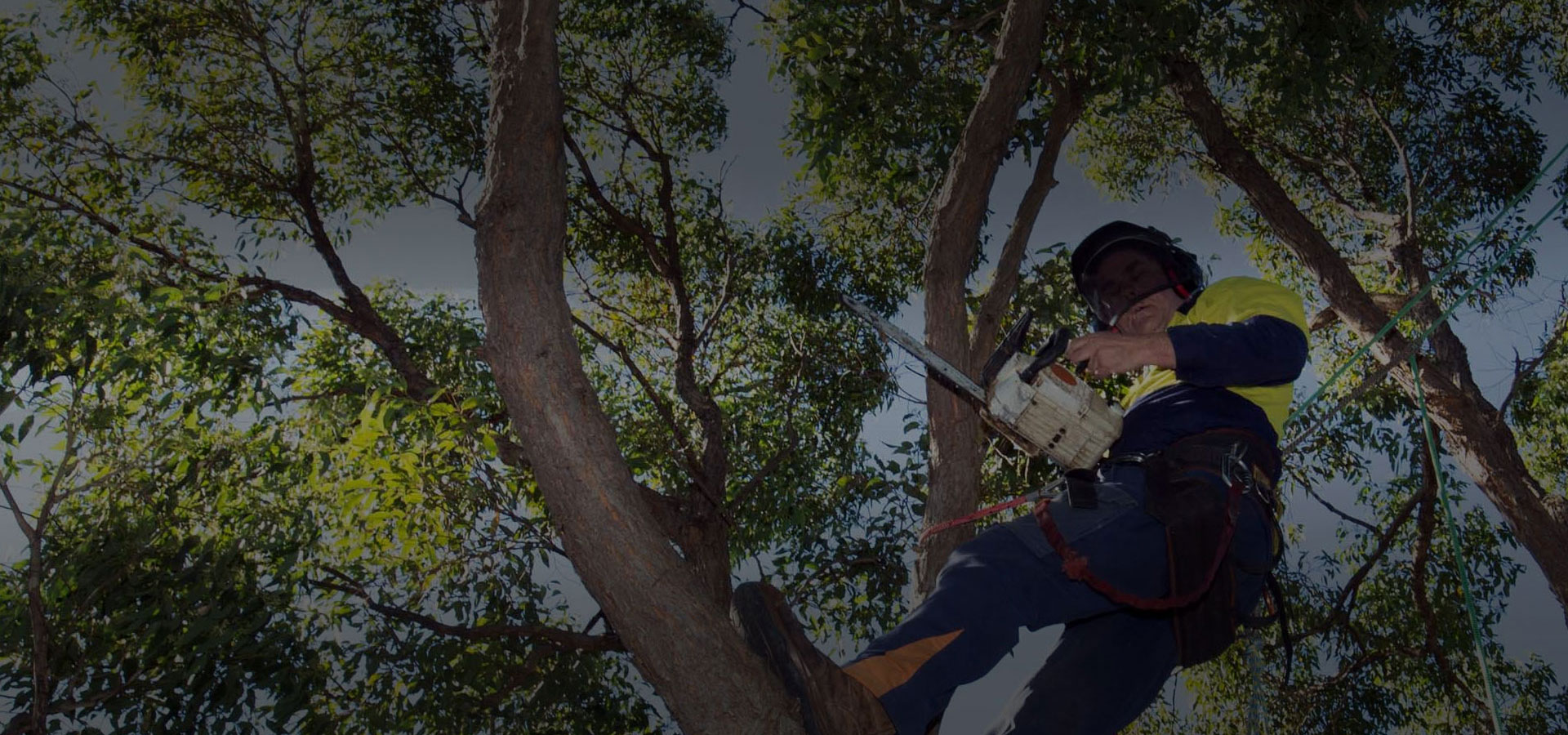
Seasonal tree pruning and care times each cut to the tree’s natural growth cycle, which produces stronger regrowth and lower disease risk than pruning on a fixed calendar regardless of the season. Stump Pro has managed seasonal pruning programs for gardens and commercial sites across Hobart, the greater Hobart region and for most areas of Southern Tasmania since 2010, and timing is one of the most overlooked factors in getting a good result.
This article covers the best pruning windows through the year, why timing matters for different species, seasonal deadwooding after winter storms, and how to plan a pruning schedule for an established garden. Whether you are managing a single mature tree or an entire property, matching pruning to the season is one of the simplest ways to get a better result from every visit.
Why Does Timing Matter for Seasonal Tree Pruning and Care?
Pruning during dormancy, generally late autumn through winter for deciduous species, minimises stress on the tree because it is not actively channelling energy into leaf and shoot growth at the time of the cut. Pruning during active spring growth, by contrast, can trigger a heavier regrowth response and, for some species, increases the risk of disease entering through fresh wounds while sap is flowing freely.
Native evergreen species in Tasmania generally tolerate a wider pruning window, but even these benefit from avoiding the peak of the growing season for anything beyond light deadwooding.
The Best Time of Year to Prune Native Trees in Australia
Most Australian native trees are best pruned after flowering has finished, which allows the tree to set next season’s flower buds without disruption, and before the peak of the growing season places maximum stress on fresh cuts. For many eucalypts and native evergreens common across Southern Tasmania, this generally falls in late winter to early spring, though the specific window varies by species.
Seasonal Priorities Through the Year
A well managed garden or commercial property benefits from different pruning priorities depending on the season, rather than treating every visit the same.
- Late autumn and winter: structural pruning and formative cuts on dormant deciduous species
- Late winter to early spring: pruning of most native and evergreen species after flowering
- Spring: light deadwooding and inspection following winter storm damage
- Summer: monitoring for pest and disease pressure rather than heavy pruning
- Ahead of storm season: crown thinning and deadwooding to reduce wind load on mature trees
Hedge Trimming and Ornamental Maintenance Through the Season
Hedges and ornamental plantings have their own seasonal rhythm, generally needing a light trim in spring to encourage dense new growth, followed by one or two maintenance trims over summer to keep shape as growth speeds up. Stump Pro’s horticulturists handle hedge trimming as well as tree pruning, so a property with both formal hedging and established trees doesn’t need to book two different specialists for its seasonal care.
Does Pruning Actually Help Prevent Storm Damage?
Yes. Removing dead, weak or crossing branches reduces the amount of loose material a tree can shed in high wind, and thinning an overly dense canopy lowers the overall wind resistance the tree presents. This is particularly relevant heading into Tasmania’s wetter, windier months, when a tree carrying deadwood or an overloaded canopy is far more likely to drop material or fail outright.
Setting Up a Seasonal Pruning Program
A seasonal program is worth considering for any commercial site or larger residential garden, typically built around a scheduled visit in late winter for structural work and a second check ahead of storm season for deadwooding and inspection. This spreads the workload across the year, catches developing issues earlier, and generally works out more cost-effective than one large, infrequent prune.
How Crown Thinning and Lifting Fit Into a Seasonal Plan
Crown thinning, which opens up the canopy for light and airflow, and crown lifting, which raises clearance over paths, driveways or fences, are both best carried out during the same seasonal visit as structural pruning. Planning them together also means the tree experiences one round of pruning stress per season instead of several smaller disturbances spread across the year, which supports steadier, stronger regrowth over time. All of this work, whether it’s a single seasonal visit or a full multi-year program, is carried out by fully qualified and insured arborists, so the standard of care doesn’t change with the size or frequency of the job.
Getting the timing right is one of the simplest ways to improve the outcome of any pruning job. Stump Pro has managed seasonal pruning across Hobart, the greater Hobart region and for most areas of Southern Tasmania since 2010, working around what the season and the specific tree need. Call 0437 339 063 today or book a quote at stump-pro.com.au today.
Additional guides: “Why Removing Dead Branches Protects Your Property From Falling Limbs“; “The Best Time of Year to Prune Fruit Trees for a Massive Harvest“


