
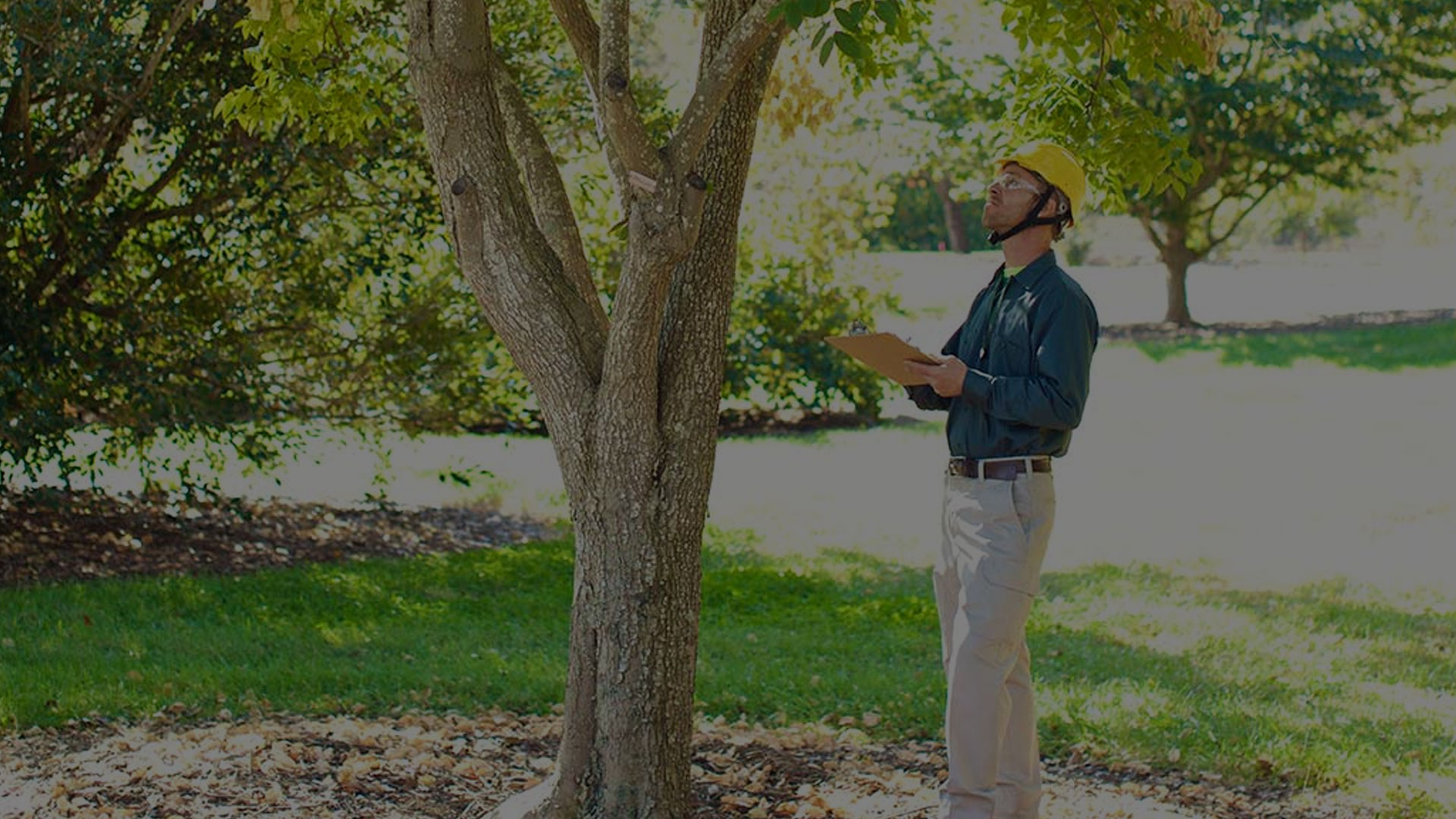
Insurance claim tree removal services matter for two different reasons: what your home insurance will cover after storm damage, and whether the contractor you hire is properly insured to do the work safely on your property. Stump Pro has carried public liability and worker’s compensation cover on every job across Hobart, the greater Hobart region and for most areas of Southern Tasmania since 2010, which matters just as much to an insurance claim as the physical tree work itself.
This article covers what home insurance typically covers after storm damage, why the contractor’s own insurance matters to your claim, how liability works when a neighbour’s tree is involved, and what to check before booking emergency tree work.
What Do Home Insurance Policies Typically Cover After Storm Damage?
Most Australian home insurance policies cover tree removal when the tree has fallen as a direct result of an insured event, such as storm, wind or lightning, and has caused damage to an insured structure. Removing a tree that fell but caused no damage, or removing a tree pre-emptively because it looks risky, is treated very differently and is often excluded or only partially covered.
Policy wording varies significantly between insurers, so it is always worth checking your specific policy document instead of assuming standard cover applies.
Why the Contractor’s Own Insurance Matters to Your Claim
A tree removal job, especially urgent storm-damage work, involves real risk to your property, from the tree itself, from equipment, and from the work being carried out at height or under time pressure. If something goes wrong during the job and the contractor isn’t properly insured, that damage may fall back on you.
Stump Pro carries public liability insurance and worker’s compensation cover on every job, which protects your property and Stump Pro’s crew if anything is damaged or someone is injured during the work itself. Checking that a contractor holds this kind of cover, and asking to see proof of it, is worth doing before any storm-damage job starts, not just for large commercial work.
What Documentation Should You Keep for Your Own Insurer?
Insurers typically want dated photographs of the damage taken before any clean-up begins and an itemised invoice describing the work performed. Photograph the damage from multiple angles before any debris is moved, keep a copy of the invoice describing exactly what work was carried out, and note the date and approximate time of the storm event for your claim. Contact your insurer promptly, generally within 24 to 48 hours, as most policies require prompt notification of damage.
Who Is Liable if a Neighbour’s Tree Falls on Your Property?
In most cases, if a neighbour’s healthy tree falls onto your property during a storm, this is generally treated as an “act of god” and each party claims through their own insurance. Liability can shift toward the tree owner if it can be shown they knew, or reasonably should have known, that the tree was diseased, decaying or otherwise hazardous and failed to act, which is one reason a documented arborist inspection carries real weight in a dispute.
These situations are ultimately a legal question between the parties and their insurers. Always seek advice from your insurer or a solicitor on liability specifics instead of relying on general guidance.
Does Insurance Cover Preventative Removal of a Risky Tree?
Preventative removal of a tree that has not yet fallen is generally not covered under a standard home insurance policy, since no insured event has occurred. Some insurers make an exception where a qualified arborist’s report identifies an imminent risk of failure, which is another reason a professional inspection is worth arranging before storm season.
Does Insurance Cover Root Damage to a Foundation?
Gradual root damage to a foundation, such as slow structural movement over several years, is generally treated as wear and maintenance rather than a sudden insured event, and is typically excluded under a standard home policy. Where root damage results from a specific storm event, such as a tree being partially uprooted and disturbing the ground around a footing, cover is more likely to apply, though this always comes down to the specific circumstances and policy wording.
What to Check Before Booking Emergency Tree Work
Beyond the tree itself, it’s worth confirming any contractor doing storm-damage work is fully qualified and carries current public liability and worker’s compensation insurance, since this protects you as much as it protects the crew doing the work. Stump Pro has provided fully insured tree services across Hobart, the greater Hobart region and for most areas of Southern Tasmania since 2010.
A storm-damaged tree is stressful enough without wondering whether the contractor clearing it is properly covered. Getting the right insurance information, both for your own claim and for the contractor doing the work, is worth sorting out before, not during, an emergency. Contact 0437 339 063 for enquiries or book a quote at stump-pro.com.au.
Additional guides: “Will Home Insurance Actually Pay for Storm Damaged Tree Removal?“


