
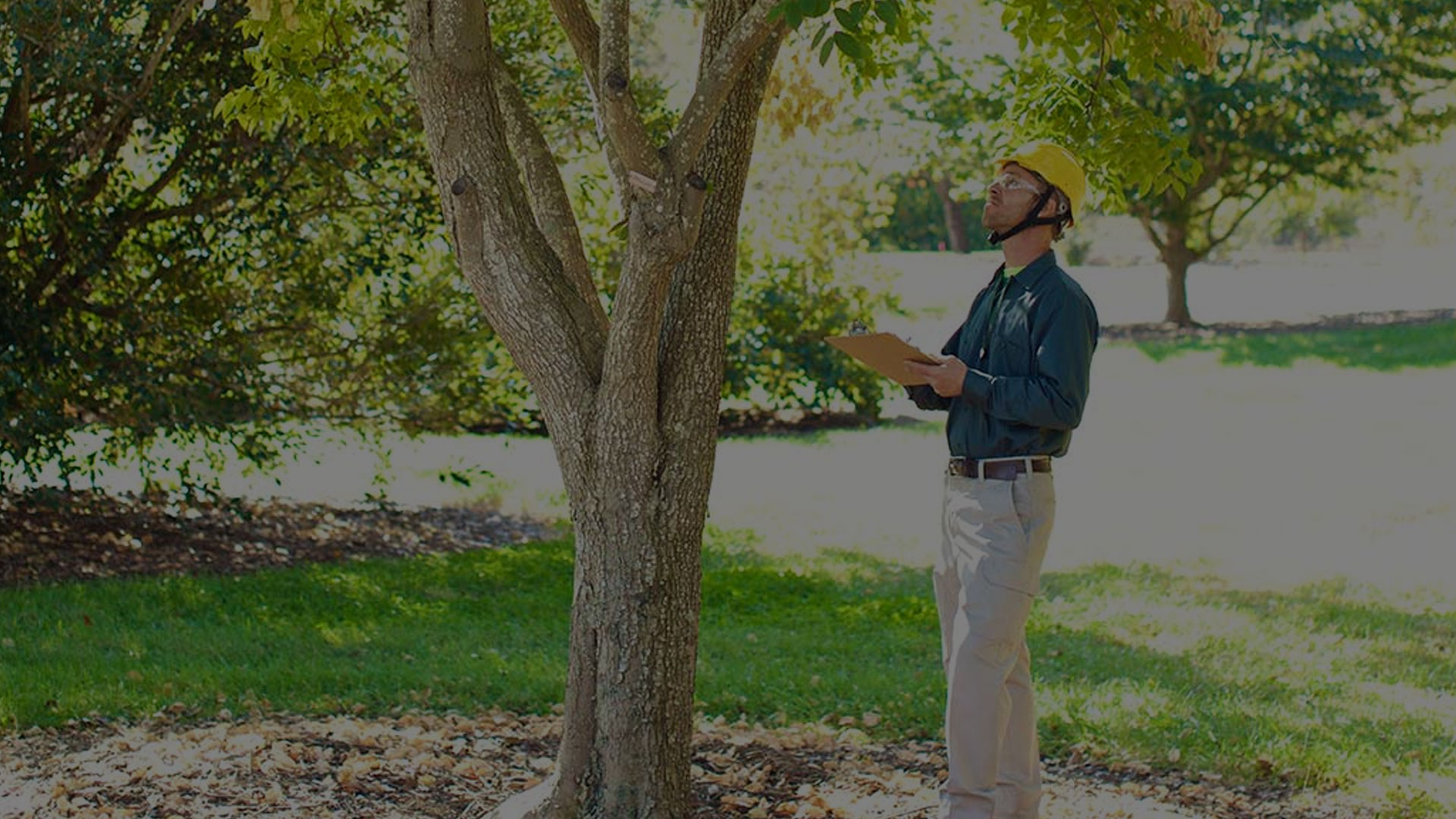
An arborist report documents a tree’s health, structural condition and any risks it poses to nearby people or property, along with a clear recommendation on treatment, pruning or removal. It gives property owners, councils and insurers a documented, professional basis for deciding what to do next.
What Does an Arborist Report Include During an Inspection?
A report typically covers the tree’s species, size, condition, any decay, cracks or pest damage found, and a risk rating based on its location relative to structures, paths or parking areas. This same inspection also checks soil quality and root health, since both are major factors in how a tree is likely to perform over time.
What Are the Early Warning Signs a Tree Might Need Assessing?
A tree doesn’t need to look obviously dangerous before it’s worth having assessed. A section of canopy that’s died back while the rest looks healthy, new cracking in the bark, or foliage that’s thinner or paler than usual are often the first indication something needs a closer look, well before the tree becomes an obvious hazard.
When Would You Need a Formal Written Report?
Councils, insurers and certifiers often require a formal report for permit applications, insurance claims, or development projects needing a Tree Protection Zone assessed against a building plan. A Tree Risk Assessment rates the likelihood and consequence of a tree failing based on its condition and what’s nearby, while an Arboricultural Impact Assessment looks specifically at how construction work will affect trees being retained on a development site.
How Do Arborists Detect Problems Not Visible from the Ground?
Sounding the trunk for hollow tones and checking for fungal growth at the base are standard parts of an inspection. Some arborists can also use a resistance drill to measure internal wood density without cutting into the tree, though this specialist equipment isn’t universal, so it’s worth asking if it’s relevant to your tree.
Does a Report Always Recommend Removal?
No. Many issues can be managed through targeted pruning, drainage correction or pest treatment, with removal reserved for cases where the risk of failure is genuinely high. This is one of the reasons an inspection happens before any pruning, reduction or removal job, so the recommendation is based on the tree’s actual condition as opposed to a generic assumption about its species or age.
Stump Pro has provided tree condition inspections across Hobart, the greater Hobart region and for most areas of Southern Tasmania since 2010, backed by fully qualified and insured arborists. Call 0437 339 063 or email office@stump-pro.com.au to book a consultation.
For the full guide, see “Tree Health Consultancy and Inspection: Working with Arborists to Diagnose Disease Early“.
Why Choose Us
We provide friendly, prompt tree removal service and are fully qualified
and insured for your peace of mind.

Experienced
Tree Lopping Service
Our experienced arborists, tree surgeons, and tree experts have been delivering the best quality tree lopping services since 2010.

We Care About
the Details
We thoroughly inspect the trees’ conditions and do a consultation with you before we perform anything on the tree itself.

Customer Satisfaction
Guaranteed
Our tree experts who are friendly, knowledgeable, and approachable have only one thing in mind: total service satisfaction.
Whatever Tree Problem You Have,
We Are Here to Help!
Complete the form below then click ‘Submit’.
One of our friendly Stump Pro tree experts will be in touch with you ASAP.
