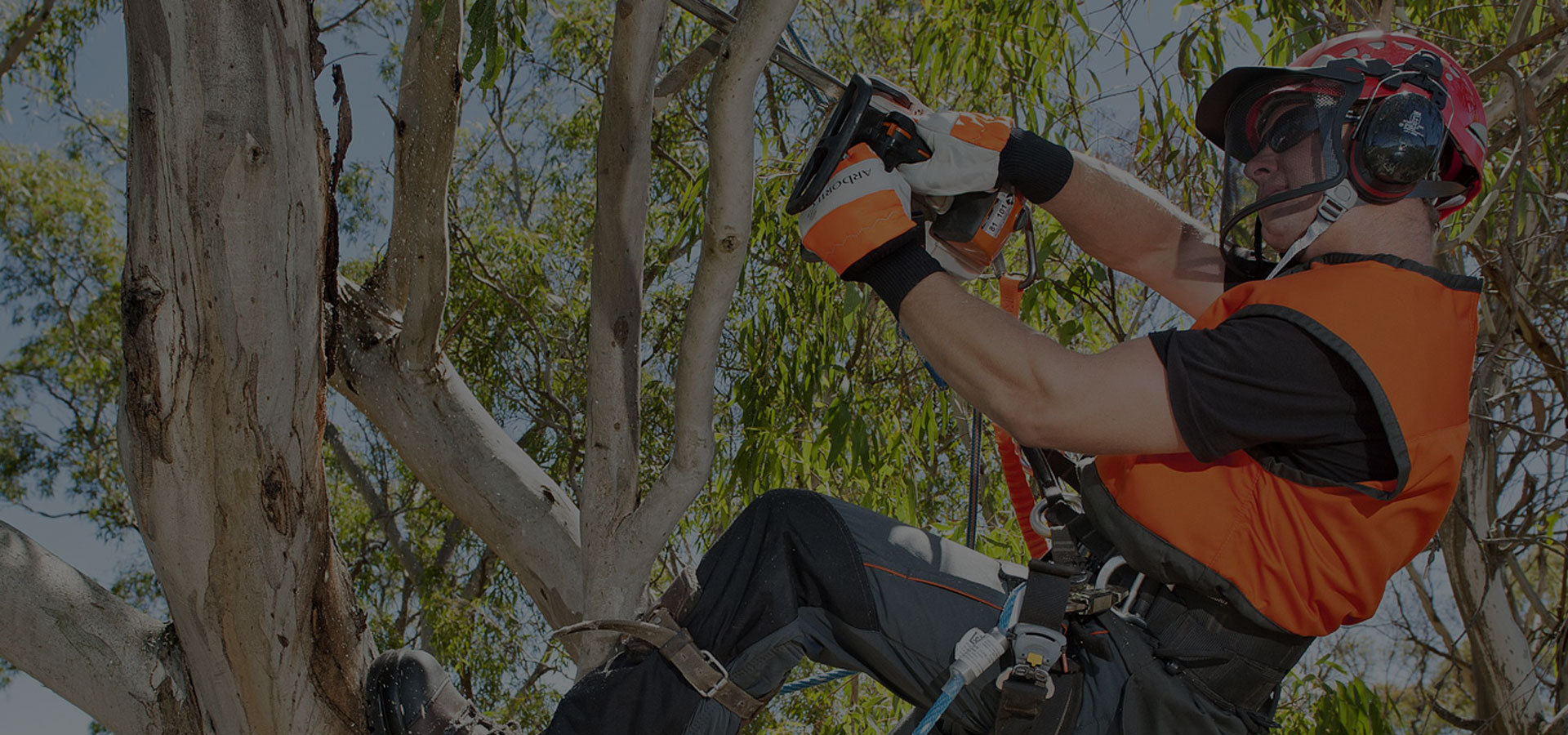
Tree reduction and canopy shaping brings an overgrown tree back to a manageable size by shortening branches back to strong lateral growth points. Stump Pro has shaped overgrown trees across Hobart, the greater Hobart region and for most areas of Southern Tasmania since 2010, and the difference between a properly reduced canopy and a butchered one comes down to where every single cut is made.
This article covers how canopy reduction works, how much can safely be removed in one visit, the warning signs of over-pruning, and how reduction differs from the topping many homeowners want to avoid.
What Is Tree Reduction and Canopy Shaping?
Tree reduction and canopy shaping reduces the overall height and spread of a tree by cutting each branch back to a healthy lateral branch capable of taking over the growth. Done correctly, the tree keeps a natural shape and a full complement of healthy growth points, just at a smaller overall size.
This differs from topping, which cuts branches and the main trunk at an arbitrary point regardless of where lateral growth exists, leaving large open wounds that invite decay and trigger weak regrowth.
How Much Canopy Can Be Safely Removed at Once?
As a general rule, no more than about 25 to 30 percent of a tree’s live canopy should be removed in a single reduction, and healthy, vigorous species tolerate the upper end of that range better than stressed or mature trees. Removing more than this in one visit can shock the tree, triggering a flush of weak epicormic growth or, in more severe cases, dieback in the root system as the tree struggles to support the leaf area it has lost.
- Young, fast growing trees generally handle a heavier reduction than old or stressed specimens
- Reduction is best staged over two or more visits on very overgrown trees rather than done in one pass
- Species that are prone to decay, such as some eucalypts, need more conservative cuts
- A tree already under drought or pest stress should have reduction delayed until it recovers
Signs a Tree Has Been Over-Pruned or Shocked
A tree that has lost too much canopy at once often responds with a dense cluster of thin, upright shoots called epicormic growth, sprouting directly from the trunk or major limbs within weeks. Other signs of pruning shock include premature leaf drop, sunburn on previously shaded bark, and reduced flowering or fruiting the following season.
If a tree shows these signs after work by another contractor, an arborist consultation can assess whether follow-up pruning will help it recover or whether it simply needs time.
Crown Reduction vs Crown Thinning: What’s the Difference?
Crown reduction shortens the overall size of the canopy, which is the right choice when a tree has outgrown its space or is putting weight over a roof, driveway or fence line. Crown thinning instead removes selected smaller branches throughout the canopy without reducing its overall size, improving light penetration and airflow while leaving the tree’s height and spread largely unchanged. Many overgrown trees benefit from a combination of both, planned together during a single visit.
Why Canopy Shaping Also Helps With Storm Resilience
A dense, overloaded canopy catches more wind and sheds weight less predictably in a storm than a well shaped one. Reducing and thinning an overgrown canopy lowers the sail area a tree presents in high wind, which is a real consideration through Tasmania’s winter storm season and one more reason overgrown trees near a house or driveway are worth addressing before, not after, severe weather hits. A canopy that has been reduced ahead of the season also tends to shed smaller, more manageable debris rather than losing whole limbs, which matters for a driveway, a car, or a roof directly underneath.
Shaping Trees Around Power Lines and Solar Panels
Canopy shaping is also the standard fix where a tree has grown into clearance zones around overhead power lines or started shading solar panels. Reduction cuts back the specific limbs causing the problem, restoring clearance or sunlight without needing to remove the whole tree.
Work anywhere near powerlines still needs to respect strict safety clearances, so this is not a job for general garden maintenance. Limbs genuinely too close to a line are best left to the relevant network operator to manage, instead of being cut back independently.
Getting tree reduction and canopy shaping right protects both the look of your garden and the long-term structure of the tree itself. Stump Pro has been shaping overgrown trees across Hobart, the greater Hobart region and for most areas of Southern Tasmania since 2010, starting with an inspection so the reduction matches what the specific tree can handle. From a single overgrown ornamental to a large canopy overhanging a driveway or fence line, the same principle applies: cut back to the right lateral, not to an arbitrary point. Call 0437 339 063 or book a quote at stump-pro.com.au.
Additional guides: “Crown Reduction vs Tree Lopping: How to Safely Shape an Overgrown Tree”


